
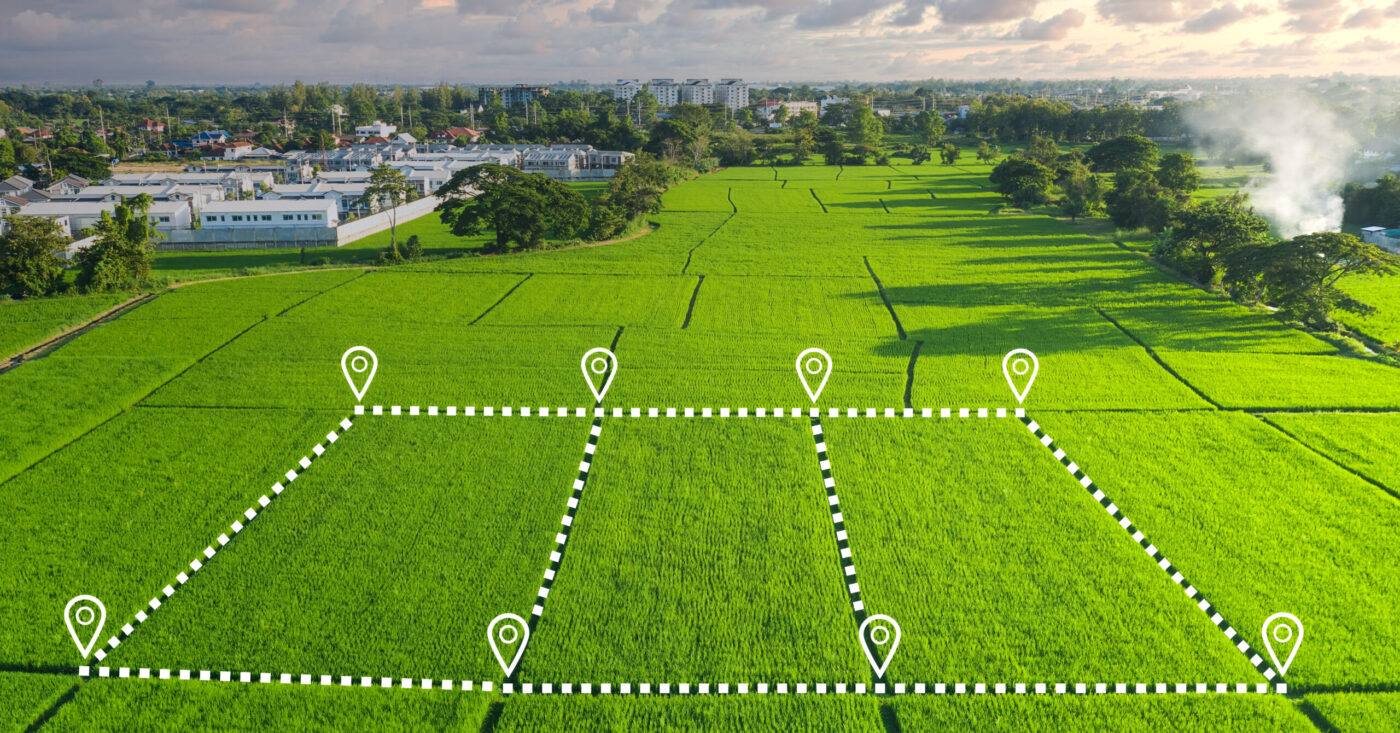
A low purchase price does not always mean a lower-cost investment. Utilities, access, drainage, site preparation, and approval requirements can significantly increase the cost of developing commercial land.
For buyers, understanding these expenses before closing can help distinguish an affordable opportunity from a costly project.
Here are seven factors that can change the true cost of a parcel.
1. Utility Availability and Capacity
Water, wastewater, electricity, and other services may be nearby without being available at the capacity the project requires. Extensions, upgrades, connection fees, and easements can add expense and delay.
Tip: Obtain written information from utility providers about service availability, capacity, estimated costs, and timing.
2. Access and Road Improvements
Road frontage does not automatically provide convenient or approved access. Driveway restrictions, medians, turn lanes, shared-access agreements, and traffic studies may affect how the property can be used.
For customer-facing businesses, difficult entry can also reduce the site’s commercial appeal.
Tip: Confirm legal and practical access, including potential off-site improvements, before finalizing the purchase.
3. Drainage and Flood Exposure
A parcel may need detention facilities, grading, fill, or drainage improvements before development can proceed. Flood exposure can also affect design, insurance, and the placement of buildings.
These requirements may reduce the area available for construction.
Tip: Have a qualified engineer evaluate drainage conditions and applicable floodplain requirements as part of due diligence.
4. Soil and Environmental Conditions
Poor soil, contamination, underground tanks, or previous site activity may create additional study, remediation, or foundation costs.
Issues that are not visible during a site visit can still substantially affect the development plan.
Tip: Arrange environmental and geotechnical reviews appropriate to the site’s history and proposed use.
5. Land-Use and Approval Requirements
The intended use may not be permitted without additional approvals. Local requirements and private restrictions can affect building placement, parking, signage, and operations.
An approval process may involve professional fees, redesigns, and extended timelines, with no guarantee of the preferred outcome.
Tip: Confirm the applicable restrictions and approval path before basing the investment on a particular use.
6. Usable Area Versus Total Acreage
Not every acre can support a building. Easements, setbacks, detention, parking, landscaping, and access requirements may leave less developable space than expected.
A larger parcel may therefore offer less usable area than a smaller alternative.
Tip: Compare preliminary site plans and realistic development capacity, not acreage alone.
7. Financing and Holding Costs
While approvals or improvements are pending, the owner may continue paying interest, taxes, insurance, and maintenance without receiving income.
A longer development period can erase the savings from a lower purchase price.
Tip: Include realistic holding costs and delay scenarios when comparing parcels.
Evaluate the Complete Investment
Buying commercial land requires more than comparing asking prices. The better choice is the site that supports the intended use within a workable budget and timeline.
A disciplined review helps buyers understand both the visible price and the costs that follow.
Considering a commercial land purchase?
Alison Commercial Group helps buyers evaluate land opportunities across Houston, Katy, and the broader Texas market.
Contact our team to discuss your development goals and compare sites using the complete investment picture.
Alison Commercial Group
Email: info@alisoncre.com